
Septic / Sewer Inspections in South Jersey
EcoFlow Septic provides thorough residential septic inspections throughout South Jersey, including Atlantic, Burlington, Camden, Gloucester, Middlesex, Monmouth and Ocean Counties. Whether you’re preparing for a home sale, scheduling routine maintenance, or investigating system concerns our detailed inspections give you clarity and confidence in your system’s condition
Our septic inspection service provides a thorough evaluation of your septic system to ensure it is operating safely, efficiently and in compliance with local regulations. We carefully assess all key components, including the tank, distribution system and drain field, to identify potential issues before they become expensive problems.
When Should You Schedule an Inspection?
We recommend a septic inspection when:
- You’re buying or selling a home
- You notice slow drains, odors or wet spots in the yard
- It’s been more than 1–3 years since your last inspection
- You’re planning renovations changing bedroom count, adding a garbage disposal or sewer ejector pump
- General outdoor constuction or hardscaping
Getting ahead of issues early often saves money and stress down the road.
What a Septic Inspection Includes
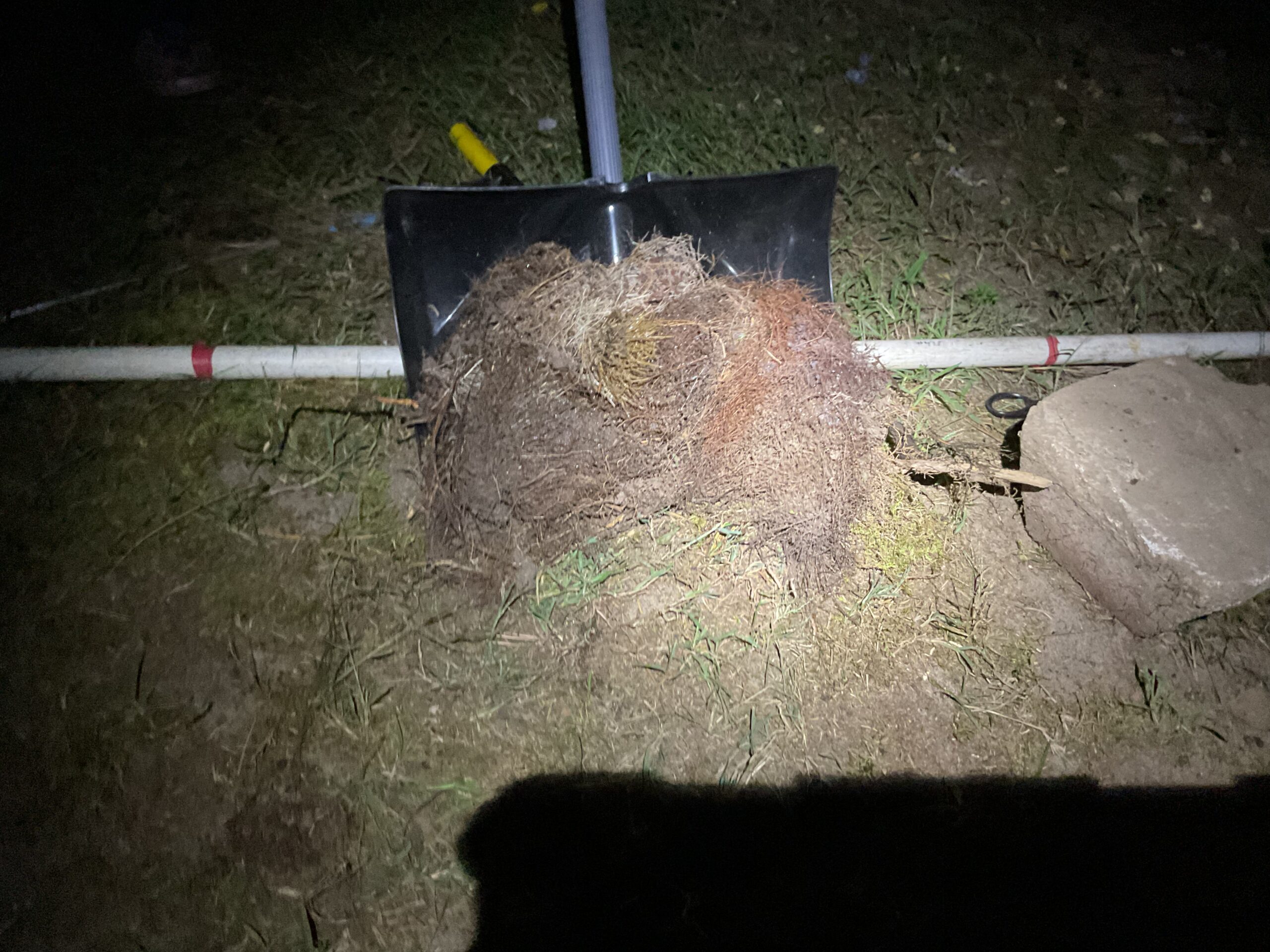
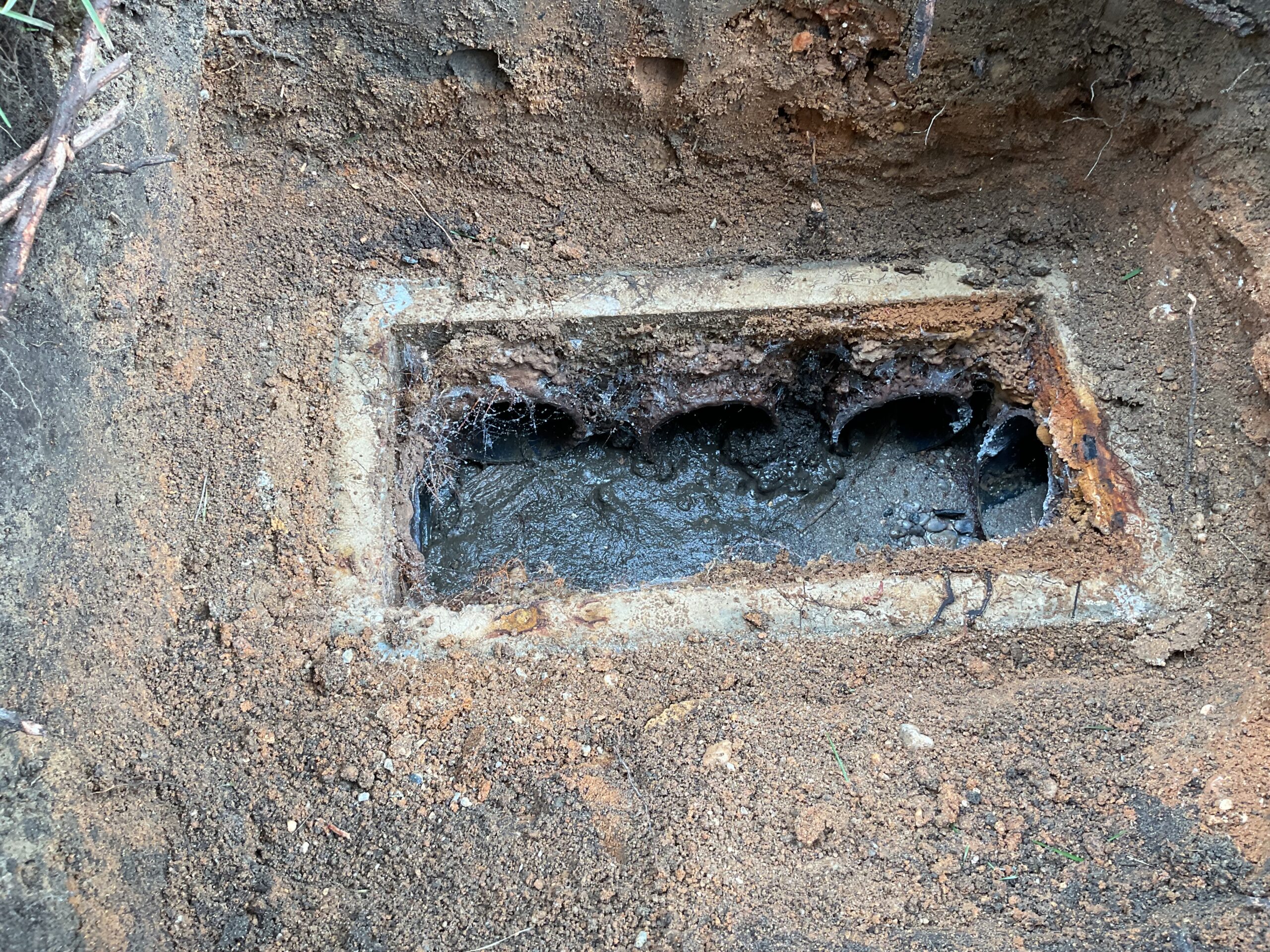
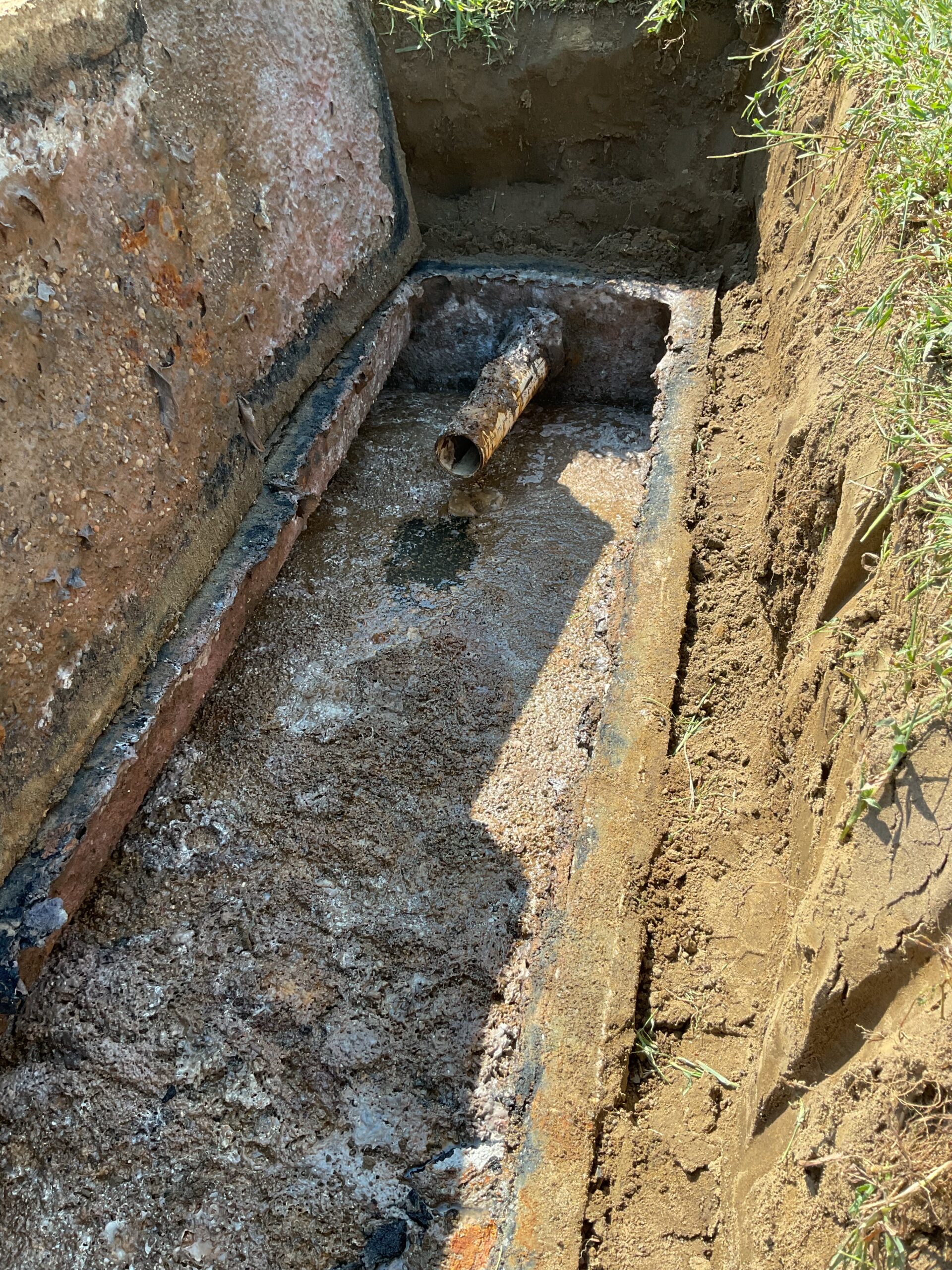
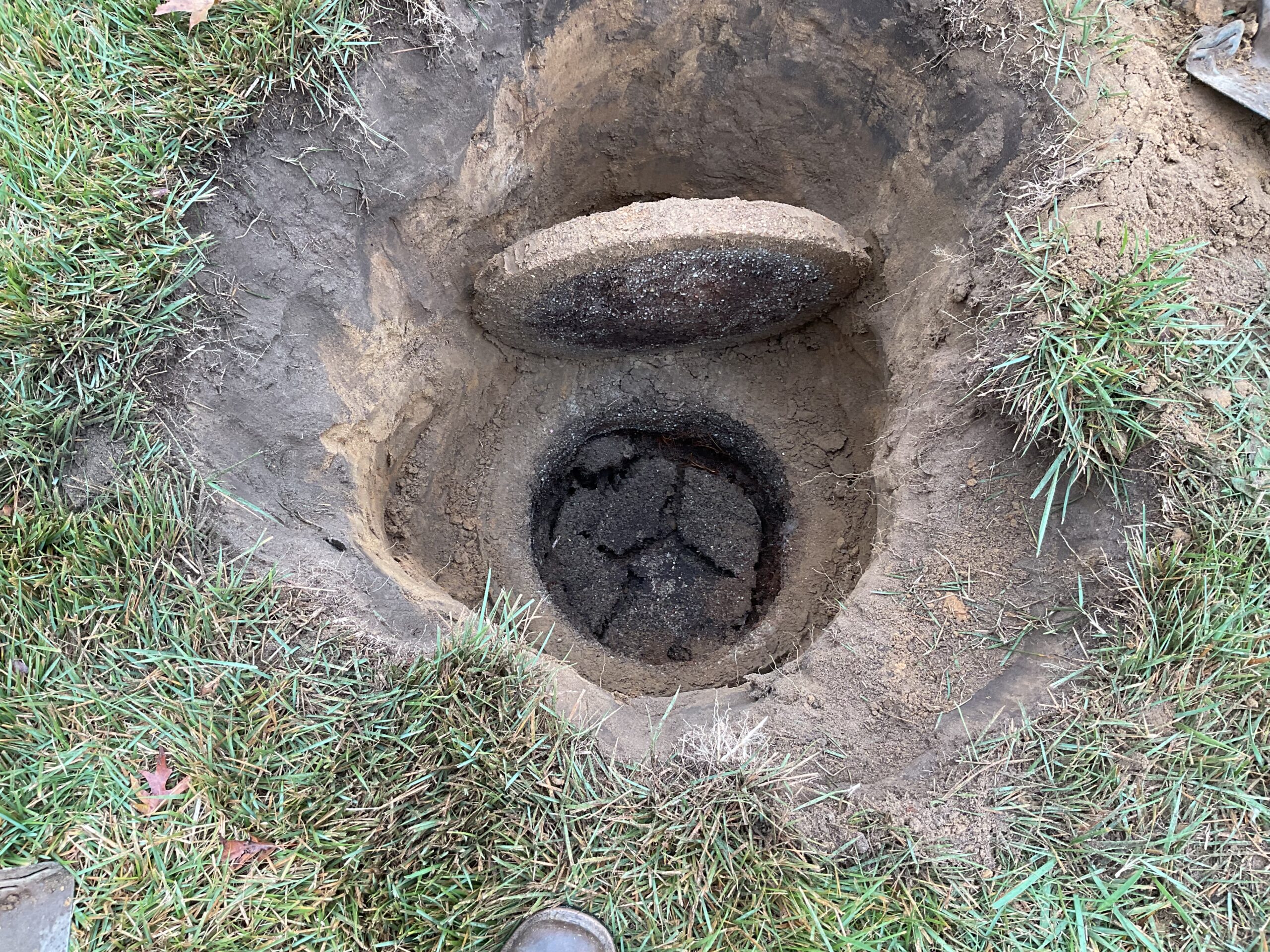
We evaluate every key component of your system to identify issues before they turn into unexpected expensive problems. Common inspection elements include:
- Assessing tank condition and levels
- Checking for leaks, cracks, or damage
- Inspecting baffles, tees, and components
- Evaluating drainfield performance
- Inspecting pumps, floats, alarms and control boxes
- Review documented county information
- Document findings in a clear report
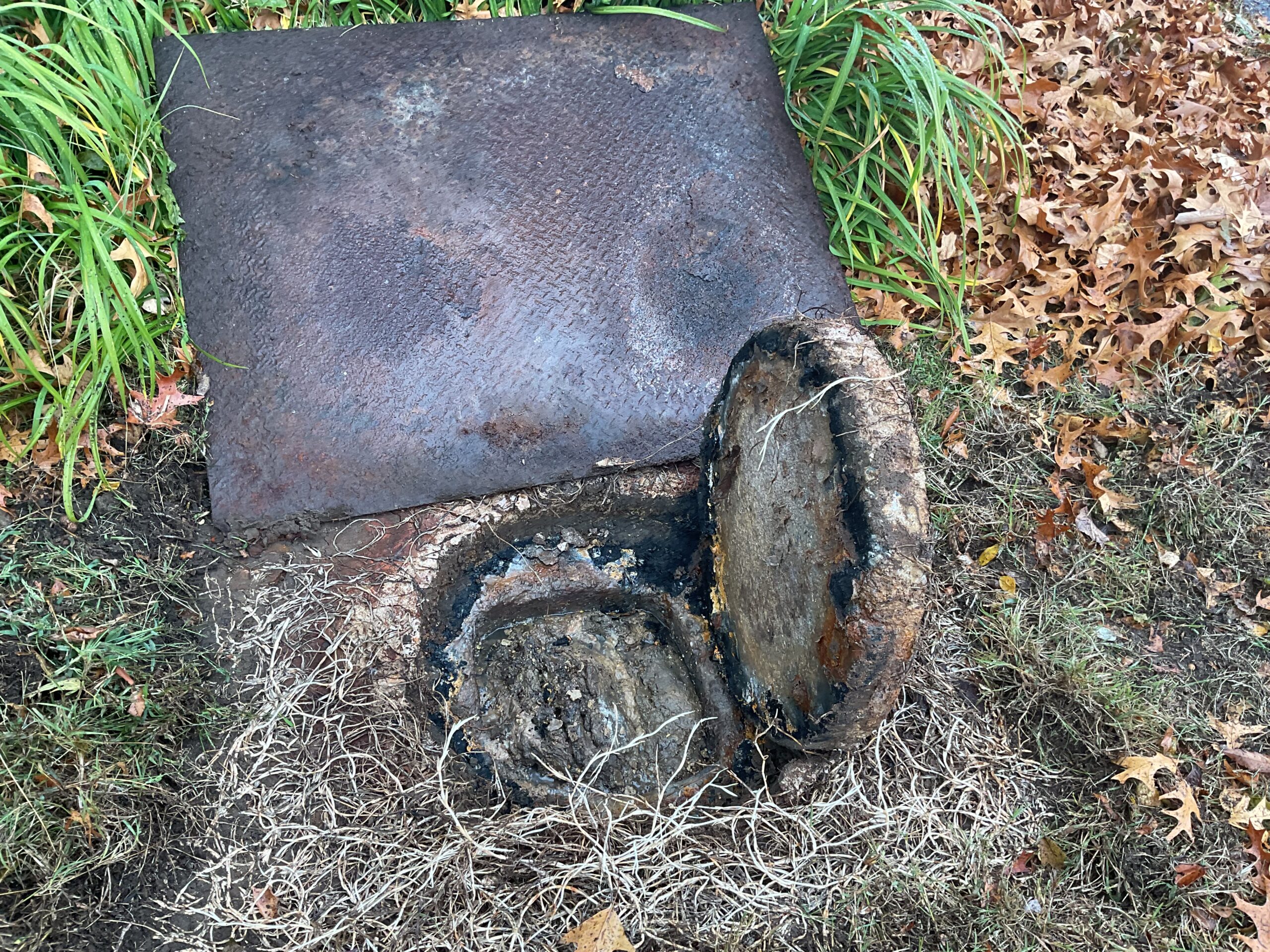
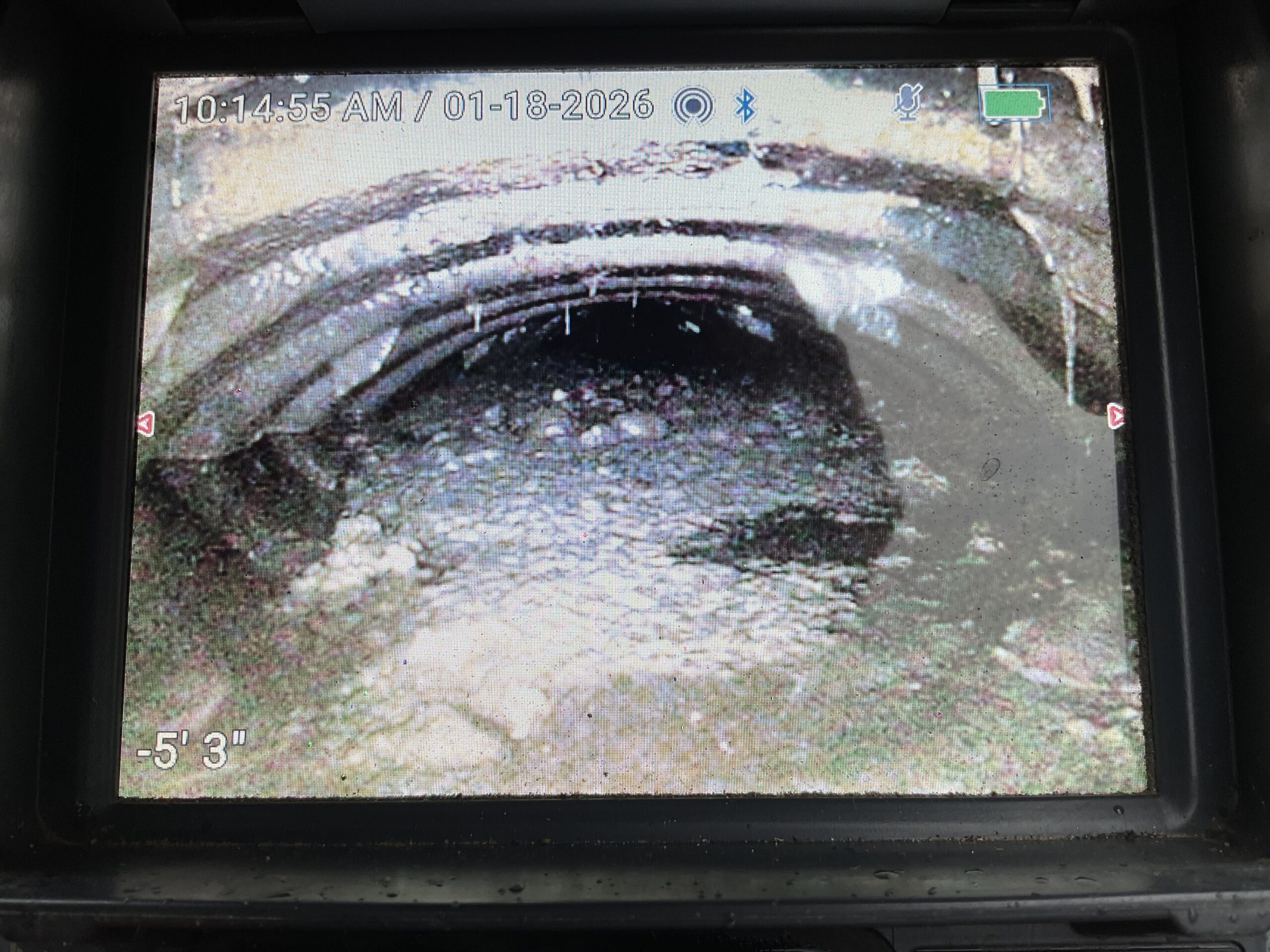
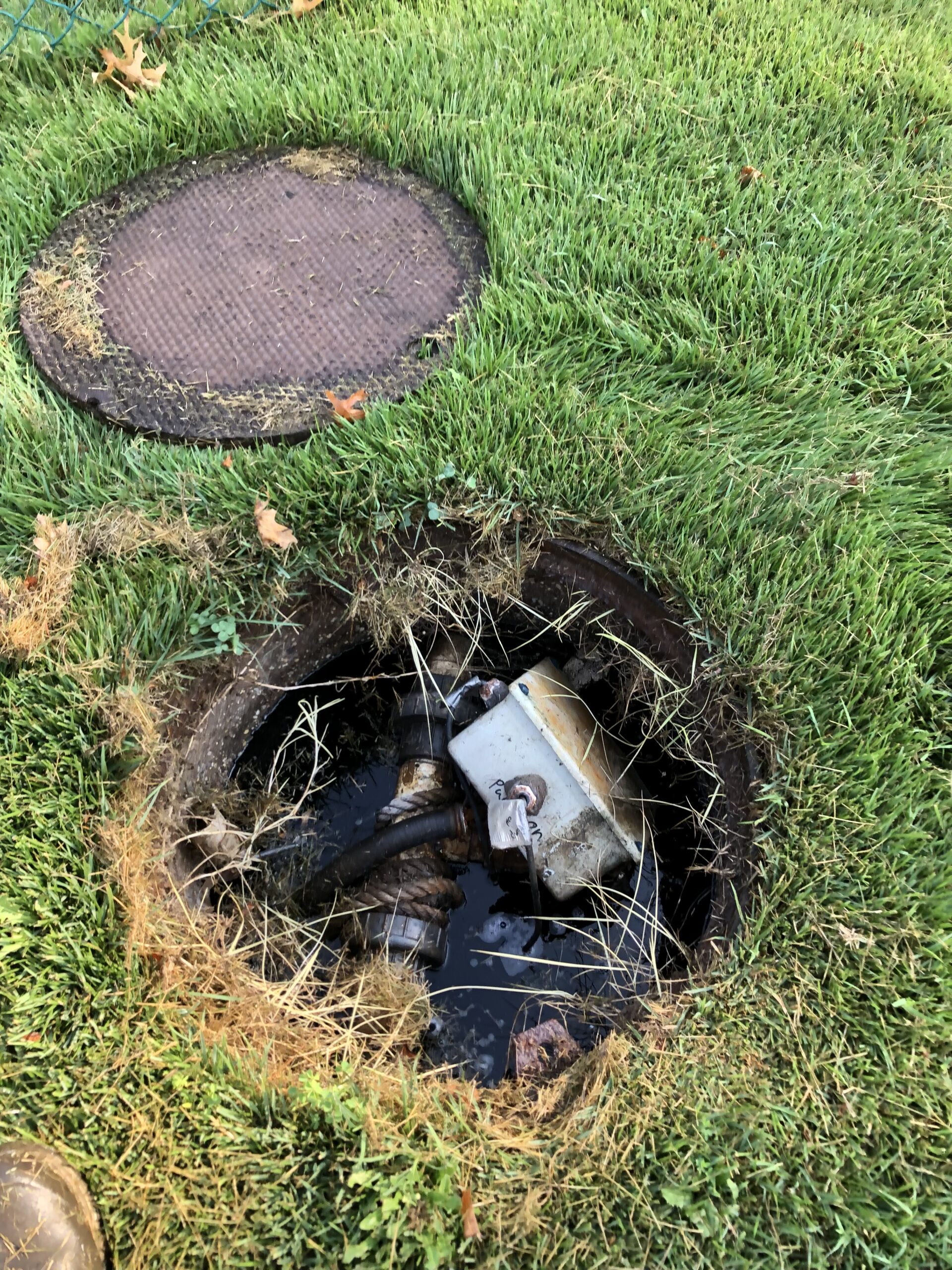
Our Inspection Process
Our septic inspections are conducted to provide clear, objective information for real estate transactions. The goal is to evaluate system condition at the time of inspection and document any observed deficiencies or limitations.
Record & History Review
As part of the inspection process, available county records are reviewed to identify documented system information, prior permits, repairs, or modifications that may impact system understanding or evaluation.
System Condition Evaluation
We inspect accessible components of the septic system and evaluate wastewater flow and system performance to identify visible defects, improper operation or conditions that may impact function.
Deficiency Identification
Observed concerns such as damage, improper installation or signs of system stress are documented so buyers, sellers and agents understand potential risks and required corrections.
Clear, Written Findings
Following the inspection, we provide clear documentation outlining system condition, observed issues and recommended actions when applicable, allowing all parties to make informed decisions.
FAQ's For Septic Inspections
Yes. Septic inspections are commonly performed for home sales to provide buyers, sellers, and agents with an objective evaluation of system condition at the time of inspection.
The inspection is limited to accessible components and observable conditions. Some system parts may not be visible due to site conditions, system design, or access limitations.
Most residential septic inspections take between one and two hours, depending on system type, accessibility, and site conditions.
Any observed deficiencies or concerns are documented in the inspection report along with recommended actions when applicable, allowing all parties to make informed decisions.
Pumping is not automatically included with a septic inspection. However, under NJAC 7:9A standards, an inspection cannot be considered complete unless the septic tank contents can be properly evaluated.
No. Septic inspections document observed conditions at the time of inspection and do not guarantee future performance or system longevity.
Inspections can be performed year-round; however, weather conditions, frozen ground, or snow cover may limit access to certain components and will be noted in the report.
When a property has been vacant or experiences low water usage, normal system performance cannot be confirmed through inspection alone. A hydraulic load test may be recommended to help evaluate system response under simulated expected daily use conditions.
A hydraulic load test (HLT) is a procedure used to evaluate how a septic system responds to a controlled volume of wastewater. The test helps assess the system’s ability to accept and distribute wastewater under simulated use conditions at the time of testing.
Under New Jersey’s Open Public Records Act (OPRA), counties are required to respond to records requests within seven (7- 10) business days of receipt, provided the records are readily available. A response may include releasing the records, requesting additional time, or advising that records are unavailable. Actual delivery of records may take longer depending on record age, storage, or county processing requirements.
Schedule Your Septic Inspection Today!
Protect your home and investment with a thorough, reliable septic inspection you can trust.